Watch a principal float through a variation and ballet looks like the absence of effort. Spend one class at the barre and you learn the truth: that ease is engineered, joint by joint, over years. This is a tour of the hidden machinery — the details that separate pretty shapes from real ballet.
Alignment before everything
Every ballet class starts with placement because everything else stacks on it. Ribs over pelvis, pelvis over the arches, weight spread across the whole foot. When alignment is right, balances feel quiet and jumps land soft. When it isn't, the body borrows effort from the wrong muscles — and the audience can see the loan.
Our Level 1 groups spend a full month on standing correctly before travelling steps. It feels slow. It is the fastest route there is.
Épaulement: the upper body speaks
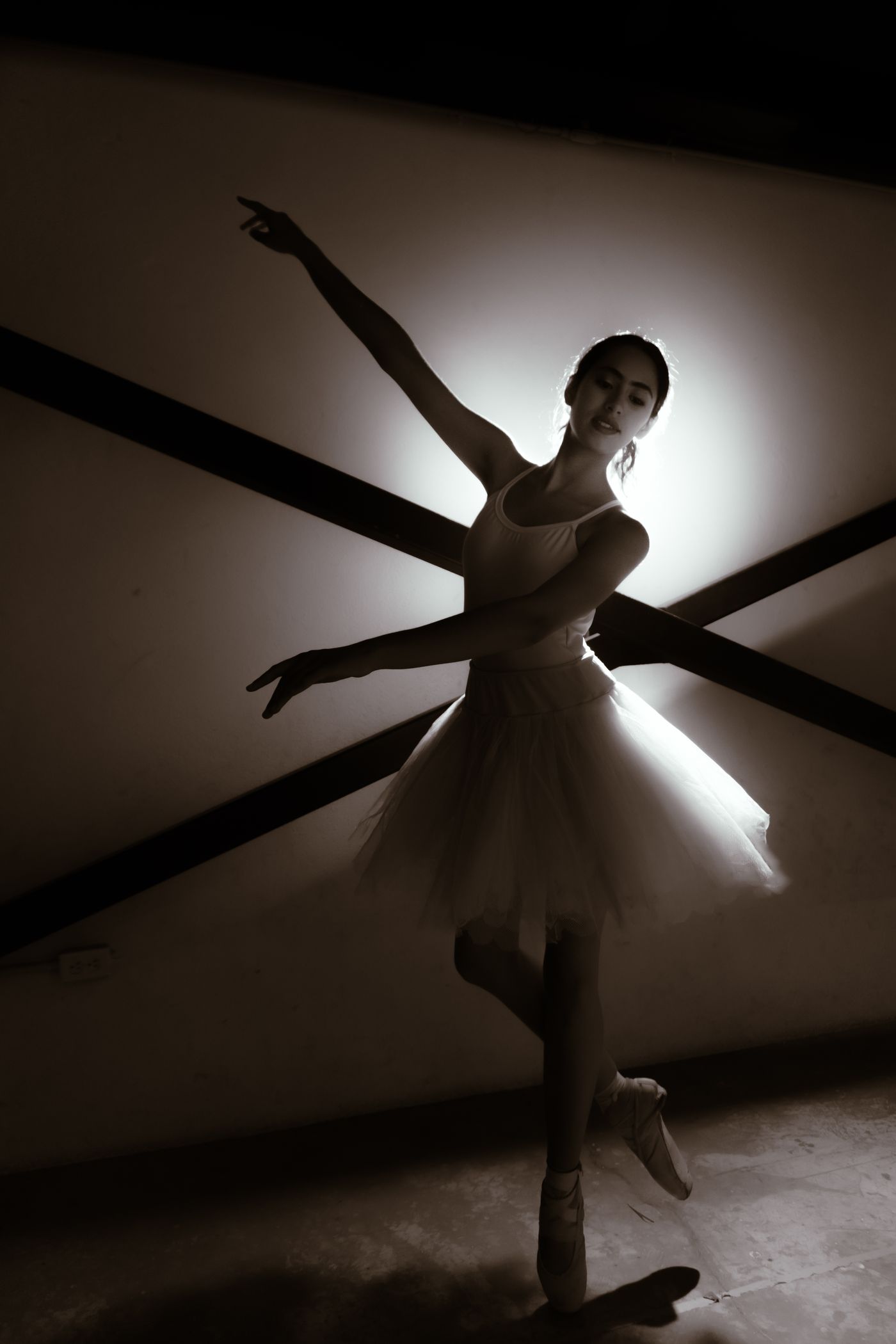
Beginners obsess over legs; professionals watch the torso. Épaulement — the shaping of shoulders, head and gaze — is what turns a technically clean arabesque into one that makes a room hold its breath. In class we drill it with a simple rule: the eyes arrive before the body does.
Musicality is a trainable skill
Dancing "on the music" is only step one. Step two is dancing inside it — stretching a développé across the full phrase, landing a pirouette exactly as the chord resolves. We practise this with counting games, clapping exercises and, in senior groups, live piano that refuses to wait for you.
Come feel it in person
Reading about épaulement is like reading about swimming. Our Saturday morning barre welcomes absolute beginners, and your first trial class is free — come and feel what alignment actually means.